


How Cultural Awareness Powers Magento 2 Localization Success During BFCM 2025
Categorized as : Magento 2 Extensions
Every November the same story repeats: digital storefronts flood with visitors, carts swell, and merchants hold their breath. But the plot of BFCM is changing. It’s no longer just a North American weekend, it’s a global season.
According to Salesforce, Cyber Week 2024 drove a record $314.9 billion in global online sales. Black Friday alone generated about $74.4 billion of that total (up 5% YoY), with Cyber Monday adding another $49.7 billion. For Magento 2 store owners, this data says one thing loud and clear: the global market is real and growing fast, but winning it requires thoughtfulness.
But global doesn’t mean generic. Every region has its own tweaks, and a one-size-fits-all strategy won’t cut it. Successful merchants know that localization (not mere word-for-word translation) is key. You need to adapt language, visuals, timing and even payment options to each culture’s expectations.
Below, we explore how different markets behave, and how tools like LangShop, translation extension for Magento 2 help you create a truly localized BFCM experience.
|
To help Magento 2 merchants prepare before the BFCM rush, LangShop offers 30% off for 6 months with promo code BFCMLS2025. It’s the perfect moment to expand globally before peak season starts. |
Cultural & Localization Nuances
Localization is more than swapping English for Spanish or French. It’s the art of making your store feel native everywhere it appears: in tone, visuals, payment options, and even timing.
Studies confirm what shoppers feel instinctively. CSA Research found that 76% of online buyers prefer to purchase products in their native language, and 73% want customer reviews in that same language. Scandiweb’s report adds that 66% of consumers pick the product with information in their own language when given two otherwise identical options.
Language and culture drive trust and trust drives conversion. Failing to localize isn’t a small oversight; it’s a revenue leak. In fact, industry research suggests around 67% of visitors leave a site because of language barriers.
For Magento merchants, those numbers translate directly to sales (or missed ones).
Language & Tone:
Customers expect messaging that feels local. And tone is one of the first clues they pick up on. For instance:
U.S. shoppers favor a friendly, conversational tone. Whereas German customers often appreciate formality and detailed information. UK buyers, who tend to be more cautious spenders compared with Americans, may respond better to messages emphasizing trust and long-term value.
These differences may seem subtle, but they have a measurable impact. Your Magento 2 store’s product descriptions, marketing emails, and CTAs must reflect the communication styles your audience expects.
Imagery & Color:
Visuals also carry strong cultural meaning. White symbolizes purity or weddings in Western markets, yet in Japan, it’s linked to mourning. Black represents luxury worldwide, but pink can feel informal, playful or even juvenile. What feels “normal” or premium in one culture may feel off-beat, or even inappropriate, in another. A banner that performs well in the U.S. or Europe (e.g., featuring a model in a backless dress) might provoke discomfort or backlash in more conservative regions.
If you’re unsure, test regionally. Let analytics tell you which color palette or image resonates in each market.
Local Holidays & Timing:
Even shopping calendars aren’t universal, peak sales periods vary across regions.
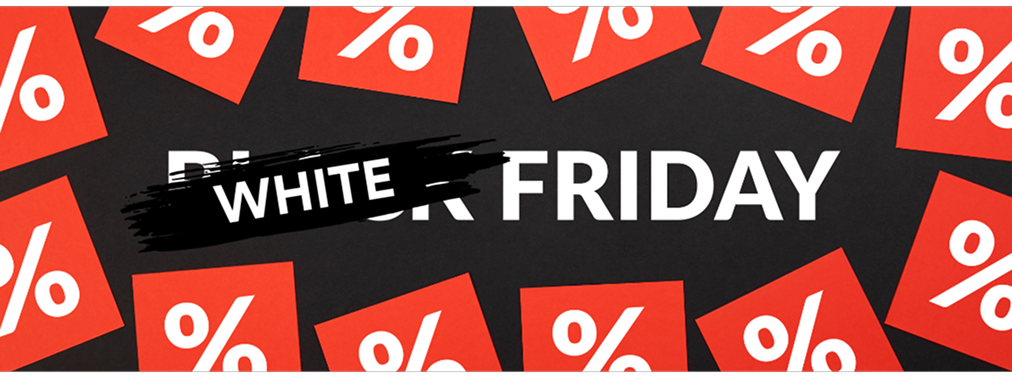
In India,for example, big sales often align with Diwali (October-November), not Thanksgiving. Across the Middle East, retailers have rebranded Black Friday as White Friday (or Yellow/Brilliant Friday) and often extend it for a full week to fit cultural and religious rhythms.
Always assume that the “big sale days” differ by country, and adjust your timing, messaging and delivery expectations accordingly.
Payment & Trust:
Payment habits also differ significantly by region. For instance:
In Germany many shoppers prefer buying on invoice (i.e., pay after delivery) rather than paying upfront by credit card. In Brazil, instant transfer service Pix reshaped eCommerce. Pix payments rose 121% on Black Friday 2024, reaching 130 billion reais in value. In Japan, many older shoppers still often prefer cash-on-delivery or convenience store payments (konbini). And across Europe, even if people are open to many different payment methods, trust remains a defining factor. 53% of Europeans worry about online data security, with the highest levels in Spain (78%) and Germany (62%).
Trust is deeply cultural. And it’s built through familiar local payment methods, prices in local currency, localized customer support, and clear shipping and return policies.
Taken together, true localization goes far beyond translation, it’s about adapting every element of the shopping experience to resonate with local expectations and values. Tone, color, timing and payment define how “local” your Magento 2 store truly feels.
How the World Shops on Black Friday
Black Friday and Cyber Monday are global phenomena, but every market puts its own local spin on them. Once you accept that Black Friday isn’t a single event but a network of local celebrations, your strategy becomes richer and far more effective.
North America & Europe: The Original Powerhouses
In North America and Europe, Black Friday and Cyber Monday remain the cornerstone of the holiday shopping season, but the weekend event evolved into “Black November.” Campaigns now begin as early as late October and stretch into December.
Shoppers usually plan purchases well in advance and expect major discounts, loyalty perks, and free shipping. In Europe, the U.K., Germany, and France lead in participation, while Southern and Eastern Europe show strong growth, particularly online.
Merchants here must also account for local regulations (e.g., EU return policies and GDPR-compliant remarketing) and cross-border logistics. Mobile and omnichannel experiences are also vital: consumers often browse on phones but complete purchases on desktop or via in-store pickup.
Preferred purchase category: Electronics still dominate, followed by fashion/apparel, beauty & personal care, and homegoods. In Europe especially, a growing share of consumers focuses on sustainable, eco-friendly brands and product quality.
Payment preference: credit and debit cards, digital wallets (e.g., Apple Pay, Google Pay) lead, while BNPL options (like Klarna, Afterpay, Affirm) are on the rise, especially among younger shoppers.
China: 11/11 Supernova
In China, Singles’ Day (November 11th) has evolved into a cultural spectacle: a blend of commerce and entertainment known as shoppertainment. The sale, originally launched by Alibaba in the early 2000s as a playful counterbalance to Valentine’s Day, has become the world’s largest online shopping event. In 2023, total GMV reached ¥1.14 trillion (~$156.4 billion) – over four times the combined total of Black Friday and Cyber Monday.
Singles’ Day is deeply integrated with Chinese digital culture. Livestreams featuring celebrities and influencers attract millions of viewers who engage in real time, comment, and purchase directly within apps. Chinese consumers expect social, interactive, and experience-driven shopping, valuing engagement, storytelling, and authenticity alongside discounts.
To succeed, foreign brands need to focus on cultural immersion. Campaigns that integrate with local platforms like Douyin or Tmall Global, incorporate local influencers, Chinese-language humor, numerology (e.g., 11.11 symbolism), and culturally resonant visuals perform best. Overly westernized campaigns may feel distant or disrespectful to some customers.
Global brands participating with China-specific offers should treat 11/11 as a core retail event, not a secondary promotion, and adjust product mix, inventory, pricing, and channel strategy accordingly.
Preferred purchase category: Electronics, beauty, and health products dominate. Luxury, eco-friendly and “guochao” (national trend) goods are rising fast among Gen Z shoppers.
Payment preference: Alipay and WeChat Pay process over 90% of digital transactions, while credit cards play a minor role.

Middle East & North Africa (MENA): White / Yellow / Brilliant Friday
Across MENA, retailers have transformed the concept into White Friday (sometimes Yellow or Brilliant Friday), a positive, family-centered event.
In 2024, White/Yellow Friday campaigns grew roughly 40% YoY, driven by app-based personalization, targeted campaigns and leading platforms like Noon and Amazon MENA.
Shopping here is often a shared family activity rather than an individual pursuit. Emotional resonance matters as much as savings, consumers expect respectful, trustworthy, and transparent communication. Overly aggressive marketing or culturally off-tone humor can quickly erode trust. Successful merchants here emphasize value, reliability, and quality over urgency or fear-based messaging.
Preferred purchase category: Perfume, beauty, electronics, and gift items (like flowers or confectionery) are hot sellers, reflecting local gifting traditions.
Payment preference: While cash-on-delivery remains, digital wallets and cards (e.g., STC Pay, Apple Pay, Tabby BNPL) are expanding fast.
Latin America: El Buen Fin and Black November
Latin America hosts its own lineup of November events.
In Mexico, El Buen Fin (“The Good Weekend”), a mid-November government-backed event, reached 134.3 billion pesos (~$6.7B) in 2023, supported by omnichannel retailers and banks offering installment financing and cashback. Mexican consumers are highly responsive to interest-free installments and card-based promotions.
In Brazil, “Black November” is now a month-long celebration. Brazilian consumers are very active on social media with 78% following brands on Instagram, and 27% responding to WhatsApp promotions. The cultural focus here is on building excitement and engagement rather than purely chasing doorbuster deals.
Colombia’s Cyber Lunes, Chile’s Cyber Day, and Argentina’s Hot Sale continue to expand, boosting consumer trust in digital commerce.
Consumers across Latin America are highly price-sensitive but value-driven. They respond to progressive discounts, payment flexibility, and localized customer service. Bundled offers or installment-friendly promotions often outperform one-day flash sales.
Preferred purchase category: Digital entertainment, electronics, and fashion dominate.
Payment preference: Credit cards still lead (about 42% of e-commerce payments in 2024), followed by Pix. Installments also remain quite common.
Japan: Early Sale & Subtlety Over Spectacle
In Japan, BFCM is still emerging, often aligned with Labor Thanksgiving Day (Nov 23). Campaigns here are primarily run by international retailers and major domestic e-commerce platforms like Rakuten and Amazon Japan.
Unlike North America, the Japanese approach is cautious and value-conscious, with consumers emphasizing quality, brand reputation, and reliable delivery over deep discounts or impulse shopping.
Promotional campaigns that feel overly aggressive or culturally insensitive may underperform here. With the focus on gratitude rather than urgency, campaigns are framed as “Thanksgiving appreciation events” rather than blowout sales. Japanese shoppers value clarity, transparency, and trust, and prefer precise product information, high-quality images, and dependable logistics.
For Magento merchants, localizing campaigns means tuning into Japanese media consumption habits: using LINE ads, marketplaces like Rakuten and Amazon Japan, and partnering with local influencers who can explain the value of your sales. Here, cultural respect and clarity matter more than discounts.
Preferred purchase categories: Electronics, fashion/apparel, beauty, home goods, and gaming products.
Payment preferences: Credit/debit cards and convenience store payments (konbini) remain common, with e-wallets (PayPay, Line Pay) growing in adoption.
Do your homework on each target market’s shopping habits: device usage, preferred categories, payment methods, and trust factors. Use analytics and regional data (e.g., Google Analytics, surveys) to fine-tune your BFCM strategy and deliver a truly localized experience.
Best Practices for Magento 2 Merchants to Going Global on BFCM 2025
Putting it all together, here are some data-driven best practices for Magento 2 merchants aiming to succeed globally during Black Friday and Cyber Monday:
1. Localize (Don’t Just Translate):
Fully localized sites sell up to 70% more than generic ones. Adapt tone, imagery, and UX per market. Make sure every call-to-action, banner and email speaks the local language (and slang) naturally. Even imperfect translation is better than none: 65% of shoppers still prefer content in their own language even if it’s a bit rough.
2. Adapt Messaging & Offers:
Refer to local holidays, cultural norms, and shopping. Use “White Friday” in the UAE, “El Buen Fin” in Mexico, and Diwali campaigns in India. Adjust discount levels and product selection to local expectations. A “mega 50% off tech” pitch might thrill U.S. buyers, but UAE shoppers may expect big bundle deals on electronics or gift sets instead. Highlight regionally popular products during BFCM to maximize relevance.
3. Use Local Currency & Payment Options:
Showing prices in the customer’s local currency (and format!) is a small detail with a huge impact. Beyond that, integrate regionally dominant payment methods (like PIX in Brazil, UPI in India, Boleto in Brazil, Konbini in Japan, etc.).
Pro tip: Simplify checkout with Smart One Step Checkout, a Magento 2 extension that reduces friction with a mobile-friendly one-page checkout, supports diverse payments and offers advanced analytics, allowing you to optimize your checkout performance and boost conversion rates.
4. Be mobile-first and localization-ready.
BFCM 2024 data shows the majority of orders came from smartphones. Ensure fast loading and automatic storefront/language detection. Enable mobile wallets and digital wallets where available.
5. Communicate Trust Locally:
Trust is crucial for driving cross-border conversions. Highlighting data security, such as SSL certificates, GDPR compliance, or other relevant regulations, helps reassure users who are concerned about safety. Display verified business credentials, offer local reviews and familiar payment methods to further boost credibility.
Pro Tip: Simplify GDPR compliance and strengthen customer trust effortlessly with the GDPR Extension for Magento 2, it automates data protection features and ensures your store meets privacy standards with ease.
6. Match Channels to Culture:
Use the marketplaces, apps, and social channels your audience prefers (like Douyin and Tmall in China, Instagram and WhatsApp in Latin America, Line in Japan). Adapting to local media and commerce habits boosts reach and conversions. Social commerce drove up to 20% of holiday sales via TikTok Shop and Instagram, while AI chatbots boosted conversion rates by 15% during peak periods
7. Plan by Market, Not by Date:
Don’t compress everything into the U.S. Black Friday weekend. Use analytics to identify peak sessions and order times by country. For example: in China align sales with Singles Day and in India with Diwali celebration.
8. Test & Iterate Quickly:
Finally, run any localization changes ahead of time if possible. Use A/B testing in each region to fine-tune headlines or visuals. Analyze cart abandonment by country, if one market stalls at checkout, maybe a missing payment option or confusing fee is to blame.
LangShop: Your Magento 2 Localization Extension for BFCM 2025 Success
Handling all of the above by hand can be overwhelming with dozens of languages, hundreds of product pages, and countless moving parts. That’s why LangShop for Magento 2 exists. It turns complex global preparation into a simple, scalable workflow, built right inside your Magento admin panel.
- 247 languages supported, including right-to-left scripts You can add up to 20 language storefronts, and switch between them easily in the admin.
- Full store-wide translation: Handles products, categories, attributes, CMS pages, checkout text, URLs, Terms & Conditions, HTML blocks, Page-Builder content and more, extends to Magento native modules and third-party extensions.
- Flexible Translation Options: Use LangShop’s built-in AI translation engine for instant speed. Refine translations manually for tone and nuance. Integrate with OpenAI, Google Cloud Translation, or DeepL Pro for premium automated accuracy. Or order TextMaster professional translations from native speakers directly inside your Magento admin.
- Glossary & brand-consistency tools to lock in brand names, technical terms or key phrases, ensuring consistent brand voice across languages.
- Auto-updates when source content changes to keep all storefronts aligned.
- International SEO built-in: Localised URLs, hreflang tags, metadata per language, optimised indexing for each language version.
- Designed for Magento 2 merchants: Unlike generic translation apps, LangShop integrates seamlessly with the Magento architecture (store views, modules, catalog) and handles translation workflows within the Magento admin panel.
- Low technical overhead: Launch new languages in a few clicks, no heavy custom code.
All of this allows Magento 2 merchants to go multilingual faster and with confidence without breaking workflows.
And only this Black Friday get 30% OFF LangShop for 6 months with promo code BFCMLS2025 and make your Magento 2 store truly global.
Why It Matters for Magento BFCM 2025 & Global Growth
- Speed matters: When you’re entering multiple markets ahead of BFCM (or local equivalents like 11.11, El Buen Fin), you need fast localisation. With LangShop, you can spin up new language storefronts or special banners for each region quickly.
- Consistency + agility: The glossary and automatic-update features mean that when you launch promotions, update banners, or change product copy, all languages stay aligned, avoiding cultural or translation errors.
- SEO + global reach: International SEO can be a mess if you use naive translation or duplicate content; LangShop’s built-in SEO features help ensure each language version is indexed properly and helps you gain organic traffic from local markets. So your customers and Google see the proper version of your store.
Always remember the data:
- 67% of visitors leave a site due to language barriers.
- 76% prefer buying in their native language.
- Two-thirds pick a localized product over an identical English one.
Speed attracts visitors, localization builds trust, and LangShop brings them together, helping Magento 2 merchants turn global reach into real revenue.
Final Thought
If you’re a Magento 2 merchant ready to grow beyond borders, especially with Magento Black Friday 2025 on the horizon, LangShop is your global growth partner. It breaks down language barriers, keeps your brand voice consistent across cultures, and turns complex localization into a seamless workflow inside Magento. Beyond translation, LangShop helps you build trust, boost international SEO, and deliver the kind of localized experience that converts visitors into loyal customers.